






| Home | Articles | First Coming | Jewish Calendar | Preview | Purchase | Reviews | Schedule | About |
Purim: Feast of Chance
March 2015
March 2015

In 473 BC during the reign of Xerxes I of Persia [or Ahasuerus of Iran], Haman the Amalekite was the senior advisor to the king. Exodus 17 and 1 Samuel 15 describes the Amalekites' ancient feud with Israel that leads to Haman's plotted to kill the Jews and cast purim or lots that chose the 14th of Adar (February/March) by chance. However, God put Queen Esther and Mordecai in place for such a time as this. Haman was hanged, his sons were killed and the Amalekites were judged for persecuting the Jews. The Jewish people were saved from harm and Mordecai was appointed top advisor to the king. A day of mourning became a day of deliverance.
Haman sought to destroy all the Jews that were throughout the whole kingdom of Ahasuerus, even the people of Mordecai. In the first month, that is, the month Nisan, in the twelfth year of king Ahasuerus, they cast Pur, that is, the lot, before Haman from day to day, and from month to month, to the twelfth month, that is, the month Adar (Esther 3:6, 7).
Purim is not part of the original seven appointed days of Leviticus 23 but has been a holiday for 2500 years. People wear costumes of the main characters in the story. The book of Esther is read and every time that Haman's name is mentioned, the people yell and use noise makers to blot out his name. A part of the celebration is eating a festive meal and giving to the poor.
[Mordecai established] this among them, that they should keep the fourteenth day of the month Adar, and the fifteenth day of the same, yearly, As the days wherein the Jews rested from their enemies, and the month which was turned unto them from sorrow to joy, and from mourning into a good day: that they should make them days of feasting and joy, and of sending portions one to another, and gifts to the poor (Esther 9:21-22).
Haman sought to destroy all the Jews that were throughout the whole kingdom of Ahasuerus, even the people of Mordecai. In the first month, that is, the month Nisan, in the twelfth year of king Ahasuerus, they cast Pur, that is, the lot, before Haman from day to day, and from month to month, to the twelfth month, that is, the month Adar (Esther 3:6, 7).
Purim is not part of the original seven appointed days of Leviticus 23 but has been a holiday for 2500 years. People wear costumes of the main characters in the story. The book of Esther is read and every time that Haman's name is mentioned, the people yell and use noise makers to blot out his name. A part of the celebration is eating a festive meal and giving to the poor.
[Mordecai established] this among them, that they should keep the fourteenth day of the month Adar, and the fifteenth day of the same, yearly, As the days wherein the Jews rested from their enemies, and the month which was turned unto them from sorrow to joy, and from mourning into a good day: that they should make them days of feasting and joy, and of sending portions one to another, and gifts to the poor (Esther 9:21-22).
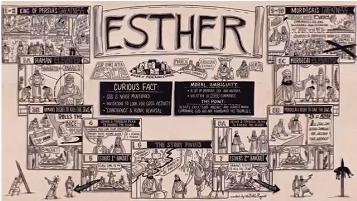
The Bible Project: Esther
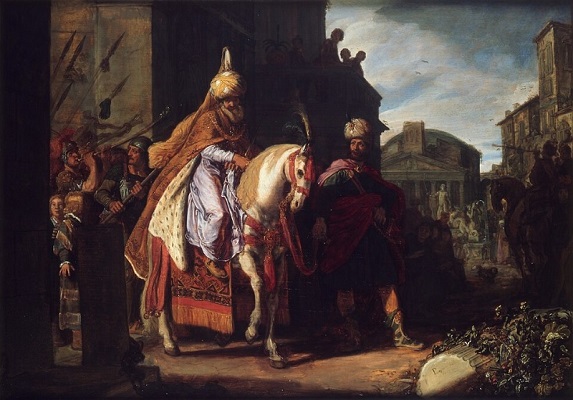
Is it by chance or the design of a sovereign God that Purim has become a day that God brings judgment against Israel's enemies? Starting with the original destruction of Haman and the Amalekites, we see God act during our time. Iraq and Kuwait break off talks 7/31/1990 (9th of Av) and Iraq War I begins then ends 2/28/1991 (Purim). Iraq War II begins twelve years later 3/19/2003 (Purim) at Dora Farms. Saddam Hussain is a type of Haman. He was hanged, his sons were killed and his people were judged for persecuting the Jews. Saddam is buried 12/31/2006 (10th of Tevet) which is the Babylon Siege of Jerusalem. Later on 3/18/2011, the United Nations votes to intervene in the Libyan Civil War (IST). On 3/16/2014, Russia held a referendum to illegally annex Crimea from Ukraine.
Haman the son of Hammedatha, the Agagite, the enemy of all the Jews, had devised against the Jews to destroy them, and had cast Pur, that is, the lot, to consume them, and to destroy them; But when Esther came before the king, he commanded by letters that his wicked device, which he devised against the Jews, should return upon his own head, and that he and his sons should be hanged on the gallows (Esther 9:24, 25).
Judgment against Israel's Enemies
l Haman Executed, Sons Killed, Amalekites Judge (473 BC)
l Saddam Hussain of Iraq Executed, Son Killed, Iraqis Judged (2006)
l Muammar Gaddafi of Libya Executed, Sons Killed, Libyans Judged (2011)
l Damascus, Syria: TBD Isaiah 17:1
l Egypt: TBD Ezekiel 29:3-4, 10-11
l Iran: TBD Ezekiel 38:5
l Russia: TBD Ezekiel 38:2-3, 4
What started with a day chosen by chance became days of deliverance by a sovereign God.
References: 21st Century Revelation: World Wars, Iraq Wars & End War Chapter 9 - In the Beginning, God, Chapter 13: Minor Feasts, Major Events, Chapter 18 - Spring Forward, Fall Back, Purim, Spring Feasts, Pentecost, Fall Feasts, Calendar, Jewish Calendar, Bible Chronology, Hebrew Calendar, Constellations, Revelation Outline, Covenant, Tribulation, Revelation, 21st Century View, Daniel, America, Timeline of the Tribulation
Haman the son of Hammedatha, the Agagite, the enemy of all the Jews, had devised against the Jews to destroy them, and had cast Pur, that is, the lot, to consume them, and to destroy them; But when Esther came before the king, he commanded by letters that his wicked device, which he devised against the Jews, should return upon his own head, and that he and his sons should be hanged on the gallows (Esther 9:24, 25).
Judgment against Israel's Enemies
l Haman Executed, Sons Killed, Amalekites Judge (473 BC)
l Saddam Hussain of Iraq Executed, Son Killed, Iraqis Judged (2006)
l Muammar Gaddafi of Libya Executed, Sons Killed, Libyans Judged (2011)
l Damascus, Syria: TBD Isaiah 17:1
l Egypt: TBD Ezekiel 29:3-4, 10-11
l Iran: TBD Ezekiel 38:5
l Russia: TBD Ezekiel 38:2-3, 4
What started with a day chosen by chance became days of deliverance by a sovereign God.
References: 21st Century Revelation: World Wars, Iraq Wars & End War Chapter 9 - In the Beginning, God, Chapter 13: Minor Feasts, Major Events, Chapter 18 - Spring Forward, Fall Back, Purim, Spring Feasts, Pentecost, Fall Feasts, Calendar, Jewish Calendar, Bible Chronology, Hebrew Calendar, Constellations, Revelation Outline, Covenant, Tribulation, Revelation, 21st Century View, Daniel, America, Timeline of the Tribulation
Past
Future


21st Century Revelation: World Wars, Iraq Wars & End Wars
A current understanding of God's plan for our time
Copyright © 21st Century Revelation Ministry 2026
A current understanding of God's plan for our time
Copyright © 21st Century Revelation Ministry 2026